Hot Dog Hacks for Faster and Tastier Meals

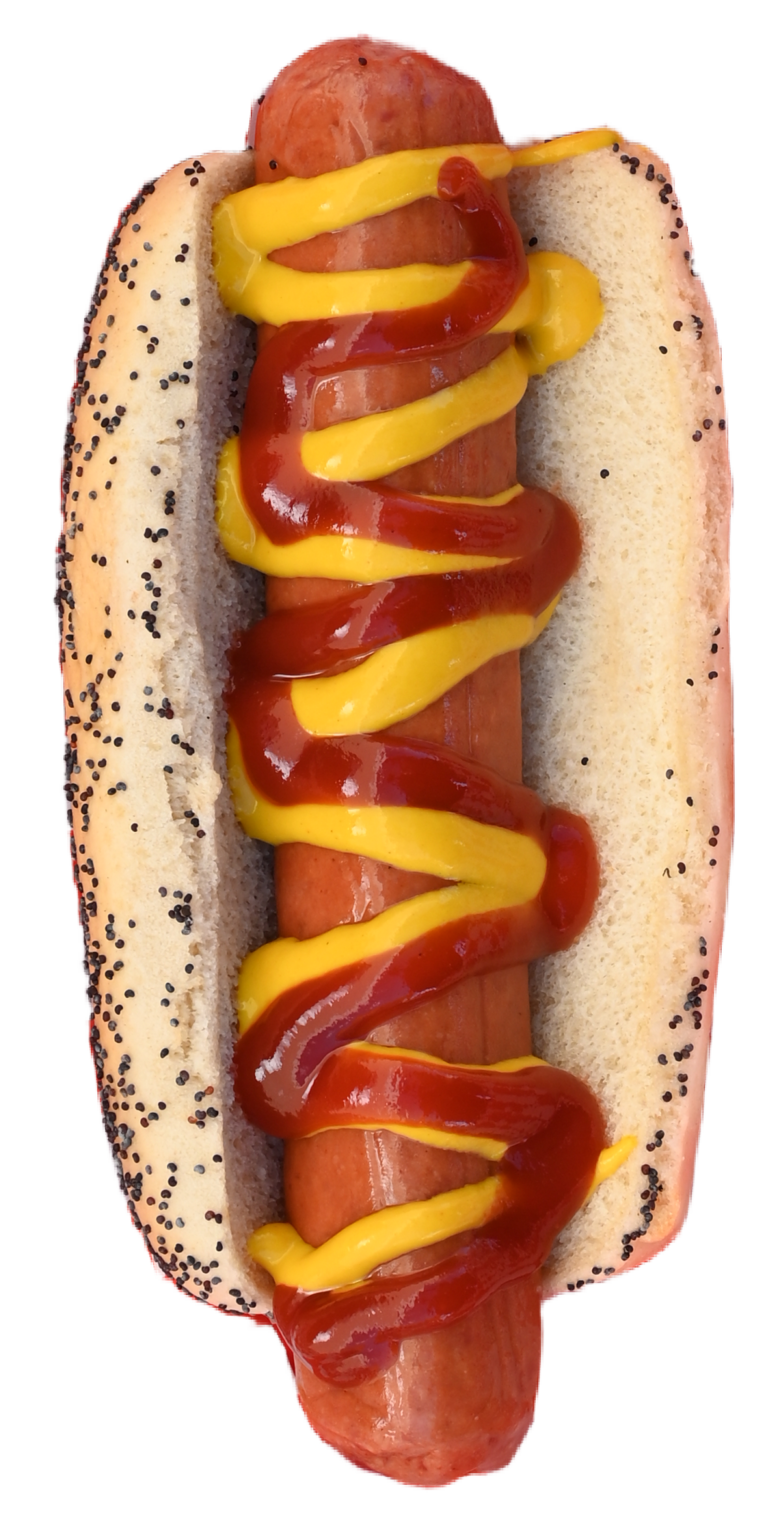

Hot dogs have a reputation for being the emergency meal of the week, the thing you make when the fridge looks bare and the clock says dinner should have happened 20 minutes ago. That reputation is only half fair. A hot dog can absolutely be a last-minute save, but with a few smart habits, it can also turn into a fast meal that tastes deliberate instead of improvised.
The trick is not treating the hot dog as a finished product. Think of it as a fast-cooking protein with a built-in seasoning profile. It already brings salt, smoke, fat, and snap. That gives you a head start. The rest comes down to contrast: crisp against soft, sharp against rich, acidity against fat, heat against sweetness. Once you start looking at it that way, weeknight meals become easier, and frankly, more interesting.
I have cooked hot dogs every possible way, from apartment stovetops with one decent skillet to backyard grills that ran hot on one side and barely warmed on the other. The best results almost never come from doing more. They come from making a few better choices early, then moving quickly.
Start with the right hot dog
Not every package performs the same way. If you want the best flavor with the least effort, buy all-beef dogs or a good mixed-meat dog from a brand you already know you like. Texture matters as much as flavor. Some hot dogs stay soft no matter how you cook them. Others tighten and blister beautifully. If your goal is a satisfying bite, look for dogs in natural casings when you can find them. They tend to give that clean snap people talk about, and they hold up better when pan-seared or grilled hard.
Size matters too. Standard franks are easiest for weeknight meals because they heat quickly and fit most buns. Jumbo dogs can be great, but they need more time, and the center can stay lukewarm if you rush them. Mini cocktail dogs have their place for parties, but they are not ideal when you want char or serious topping structure.
If you have a favorite brand, stay with it. Familiarity saves time. You learn how much salt it carries, how aggressively it browns, and whether it shrivels if left in the pan a minute too long. That kind of practical knowledge is what turns a quick meal into a dependable one.
The fastest cooking method is not always the best one
A microwave will heat a hot dog in well under a minute, and if speed is your only concern, that is hard to beat. The problem is texture. Microwave heat plumps the dog, but it does not create browning, and the outside can turn slightly rubbery if you overshoot by even 15 seconds. If you are feeding kids who only want ketchup and a soft bun, this may be perfectly fine. If you want actual flavor development, choose another route.
A skillet is the most reliable fast method for taste. Add a small splash of water to the pan, set the hot dogs in, and cover for a minute or two. The steam heats them through. Once the water evaporates, let the dogs roll in the pan until they brown lightly. This method gives you both speed and color, and you only dirty one pan.
Broiling works well when you are making several at once. Set the rack a sensible distance from the heat, keep the pan lined for easy cleanup, and turn the hot dogs once they blister on one side. It is fast, hands-off, and useful when the skillet is already busy with onions or peppers.
Grilling has unmatched flavor when the weather and schedule allow it. Still, people often overcredit the grill and undercredit the prep around it. A grilled hot dog with a cold, dry bun and flat toppings is still disappointing. If you grill, grill with intention. Toast the buns. Warm the onions. Put out something acidic. Then the smoke actually has a stage to stand on.
Score the surface for more browning
One of the easiest hacks is scoring. Make a few shallow diagonal cuts on each hot dog before cooking. Not deep slashes, just enough to break the surface. The extra edges brown faster, and the cuts open slightly as the dog heats, creating more crispy bits and more places for sauce to cling.
This also helps when you are working with a hot dog that tends to split unpredictably. Controlled scoring looks better and cooks more evenly. On the grill, the pattern can curl attractively and create crisp ridges. In a skillet, it means more contact with the pan, which usually means more flavor.
If you are short on time, even one long shallow slit along the length is useful. It helps the dog heat through faster and gives you a place to tuck in cheese, mustard, or chopped pickles after cooking.
The bun deserves more respect
A mediocre bun is often the reason a hot dog meal feels forgettable. Freshness matters, but so does warmth. A room-temperature bun can taste stale even when it is not. A warmed bun turns softer, more fragrant, and easier to bite through, which matters when you have a heavily loaded dog.
A quick toast changes everything. Brush the inside lightly with butter or oil and toast it in the skillet for 30 to 60 seconds. That short step gives you a surface that resists sogginess and adds a little nuttiness. If you do not want more fat, warm the buns in foil or over steam. Just do not serve them cold if you can help it.
The shape of the bun matters more than most people admit. A top-split bun is easier for piled toppings, while a side-split bun works well for classic presentations. If the bun is flimsy and the toppings are wet, you are one bite away from structural failure. When dinner needs to happen fast, that mess is more annoying than charming.
Five hot dog hacks that actually save time
- Cook onions and hot dogs in the same pan, starting with the onions, then pushing them aside while the dogs brown. You get a topping and your main element without extra cleanup.
- Keep a jar of something sharp in the fridge, such as pickled jalapeños, dill relish, pepperoncini, or sauerkraut. Acid wakes up a rich hot dog faster than another spoonful of sauce.
- Freeze buns if you buy ahead, then thaw them wrapped in a towel for a few minutes in a low oven. It works far better than letting them dry out on the counter all week.
- Slice leftover hot dogs into coins and crisp them for fried rice, mac and cheese, or scrambled eggs. They re-enter dinner with more purpose than simply being reheated whole.
- Mix condiments before they hit the bun. A spoonful of mustard stirred into mayo, or ketchup mixed with hot sauce, spreads faster and tastes more cohesive.
Build contrast, not clutter
A common mistake is piling on toppings that all live in the same flavor register. Cheese sauce, bacon, mayo, fried onions, and extra shredded cheese can sound indulgent, but if there is no acid or freshness, the whole thing eats heavy and flat. A better hot dog is usually built around one rich element, one sharp element, and one textural element.
For example, a skillet-browned hot dog with mustard, sautéed onions, and chopped pickles works because every bite has contrast. A chili dog succeeds when the chili is meaty and warm, but it still needs raw onion, mustard, or both to keep it from feeling one-note. Even a simple ketchup-and-mustard setup improves with a few paper-thin pickle slices.
This is where practical judgment matters. If your hot dog is especially salty, lean toward toppings with sweetness or acidity. If the dog is mild, add assertive condiments or a stronger relish. If the bun is very soft, add crunch. If the bun is crusty, use creamier toppings. Good hot dog meals feel balanced, not overloaded.
https://gregorykxbr096.oakmontscope.com/posts/smoked-hot-dog-recipes-for-bold-backyard-flavorUse the skillet as a flavor multiplier
The pan that cooked the hot dogs is valuable real estate. Once the dogs come out, there is rendered fat and browned residue in the skillet. That is the perfect base for a fast topping or side. Toss in sliced onions and they will soften and color quickly. Add a spoonful of mustard and a splash of water, and you can make a sharp pan sauce in under a minute. Throw in drained sauerkraut and warm it briefly so it loses that straight-from-the-jar chill.
This is also a strong method for turning hot dogs into something more dinner-like. Brown sliced hot dogs in the pan, add cabbage or peppers, and cook until everything catches a little color. Spoon the mixture over rice, noodles, or potatoes. You are still working with the same inexpensive ingredient, but the meal reads more like a composed supper than a stopgap.
I have had especially good results with sliced hot dogs and green cabbage in a skillet. The cabbage takes on the smoky fat from the meat, and a splash of vinegar at the end keeps the whole thing bright. It is cheap, quick, and satisfying in a way that exceeds expectations.
The toppings that pull the most weight
A few fridge staples do more than others when you need flavor fast. Some are obvious, some are underused. The best ones either add acid, crunch, heat, or sweetness with almost no prep.
- Sauerkraut adds acidity, moisture, and a fermented depth that cuts through fatty dogs.
- Pickled onions bring color and sharpness, and they make even a plain hot dog look more intentional.
- Jalapeños, fresh or pickled, give quick heat without requiring sauce.
- Celery salt or seasoned salt can wake up a bland bun-and-dog combination, especially if your condiments are basic.
- Coleslaw, preferably not too sweet, adds creaminess and crunch in one move.
A little restraint helps here. If you already have sauerkraut and mustard, you may not need relish. If your slaw is creamy, skip the mayo. The meal should taste layered, not crowded.
Speed comes from prep, not from rushing
The fastest hot dog dinners usually start before you are hungry. Not with a formal prep session, just with good fridge habits. Keep one or two topping components ready to go. Slice onions when you unload groceries, not when the pan is already hot. Store shredded cabbage in a container. Make a quick pickle with cucumbers or red onions if you have five spare minutes earlier in the week. None of this takes much effort, but it cuts the number of decisions you need to make at dinner.
Condiment placement matters too. If the mustard is buried behind leftovers and the relish jar is sticky, dinner slows down and gets irritating. Small frictions matter on busy evenings. A hot dog meal should feel easy. Organize the things you use most.
The same goes for cookware. If your best skillet is clean and accessible, you are more likely to use it. If the grill pan is stuck in the back of a cabinet, you will default to the microwave. Good meals often depend less on ambition than on reducing resistance.
Better hot dog combinations for real weeknights
Some combinations sound great on paper but require enough prep that they defeat the point. The sweet spot is flavor that feels distinct without demanding six separate topping bowls. A chili dog is worth it if you already have chili. It is a poor choice if you need to make chili from scratch on a Wednesday. A slaw dog works because store-bought slaw mix can be dressed in minutes. A sauerkraut-and-mustard dog works because it is practically instant.
One of my favorite quick versions uses pan-browned hot dogs, Dijon mustard, warm onions, and a spoonful of drained sauerkraut. Another pairs grilled hot dogs with a little barbecue sauce, pickles, and crisp coleslaw. A third leans into breakfast-for-dinner territory: split and seared hot dogs on toasted buns with scrambled eggs and hot sauce. That last one sounds odd until you eat it. Then it makes perfect sense.
What matters is not authenticity to any single regional style, but whether the flavors support each other. A good hot dog meal is forgiving, but it still benefits from a point of view.
Leftovers can become the best part
Whole leftover hot dogs rarely excite anyone. Sliced and repurposed, they are a different story. Their seasoning means they can drop into other dishes with almost no support. Crisp the slices in a skillet and add them to boxed macaroni and cheese. Cook them with diced potatoes and onions for a fast hash. Stir them into baked beans and spoon the mixture over toast. Fold them into scrambled eggs with cheese and scallions.
This is one of the stronger budget advantages of keeping hot dogs around. They are not just a single meal. They are a ready-made flavor booster for the next day. When money is tight or time is tighter, that flexibility counts.
The key is to brown them first whenever possible. Straight reheating makes them taste flat. Browning intensifies the smoky notes and gives you texture. It is a two-minute step that pays off every time.
How to avoid the most common mistakes
Most disappointing hot dogs fail in familiar ways. They are overheated until they wrinkle and split. Or they are underheated and cool at the center. Or the toppings swamp the bun and everything falls apart by the second bite. Sometimes the bun is dry, and sometimes the toppings are refrigerator-cold, which kills the momentum of a hot meal.
Heat control solves much of this. Moderate heat is better than aggressive heat unless you are very attentive. A hot dog does not need a steakhouse sear. It needs even heating and some browning. If you are cooking from refrigerated, aim to heat through first, then color the exterior. If you are working with frozen hot dogs, thaw them first if you can. Cooking from frozen tends to create a dry outside before the middle catches up.
Moisture control matters too. Drain wet toppings well. Pat sauerkraut dry enough that it is not dripping. Do not flood the bun with ketchup. If you are using tomatoes, salt them lightly and let them shed a bit of liquid first. A hot dog is a handheld meal, and structural integrity is not a minor concern.
When a hot dog deserves to be dinner, not a fallback
There is a difference between making do and cooking smart. Hot dogs fall on the smart side when you pair them with techniques and ingredients that respect their strengths. They are fast, flavorful, inexpensive, and adaptable. They play well with smoke, char, acidity, and spice. They do not ask much from the cook, but they respond well when the cook pays attention.
That is why the best hot dog hacks are not gimmicks. They are small decisions that improve flavor and save time at once. Score the surface. Toast the bun. Use the pan drippings. Add something sharp. Keep your toppings simple but intentional. Repurpose the leftovers with crisp edges instead of reheating them passively.
Do that, and the humble hot dog stops being the meal you settle for. It becomes the meal you can pull off quickly, confidently, and with better results than most people expect.
Under Construction Hot Dogs
1225 W U.S. Hwy 50, Pueblo, CO 81008
FAQ About hot dog
What are different types of hotdogs?
Under Construction Hot Dogs offers a classic all-beef hot dog, a quarter-pound Jumbo Dog, a Chili Dog, and a Chicago Dog, along with brats and a Spicy Link.
What does a chili dog have on it?
Our Chili Dog pairs a Vienna all-beef hot dog with chili, shredded cheddar cheese, and finely diced onions.
What is in a traditional Chicago dog?
Our Chicago Dog comes on a steamed poppy seed bun with yellow mustard, bright green relish, onions, tomato wedges, a pickle spear, sport peppers, and celery salt.
Ends · MARTINDGPD306